Architecture
Energy-efficient homes in Türkiye: insulation, windows, heating and the Energy Performance Certificate
· 3 min read · SG Concept Architecture
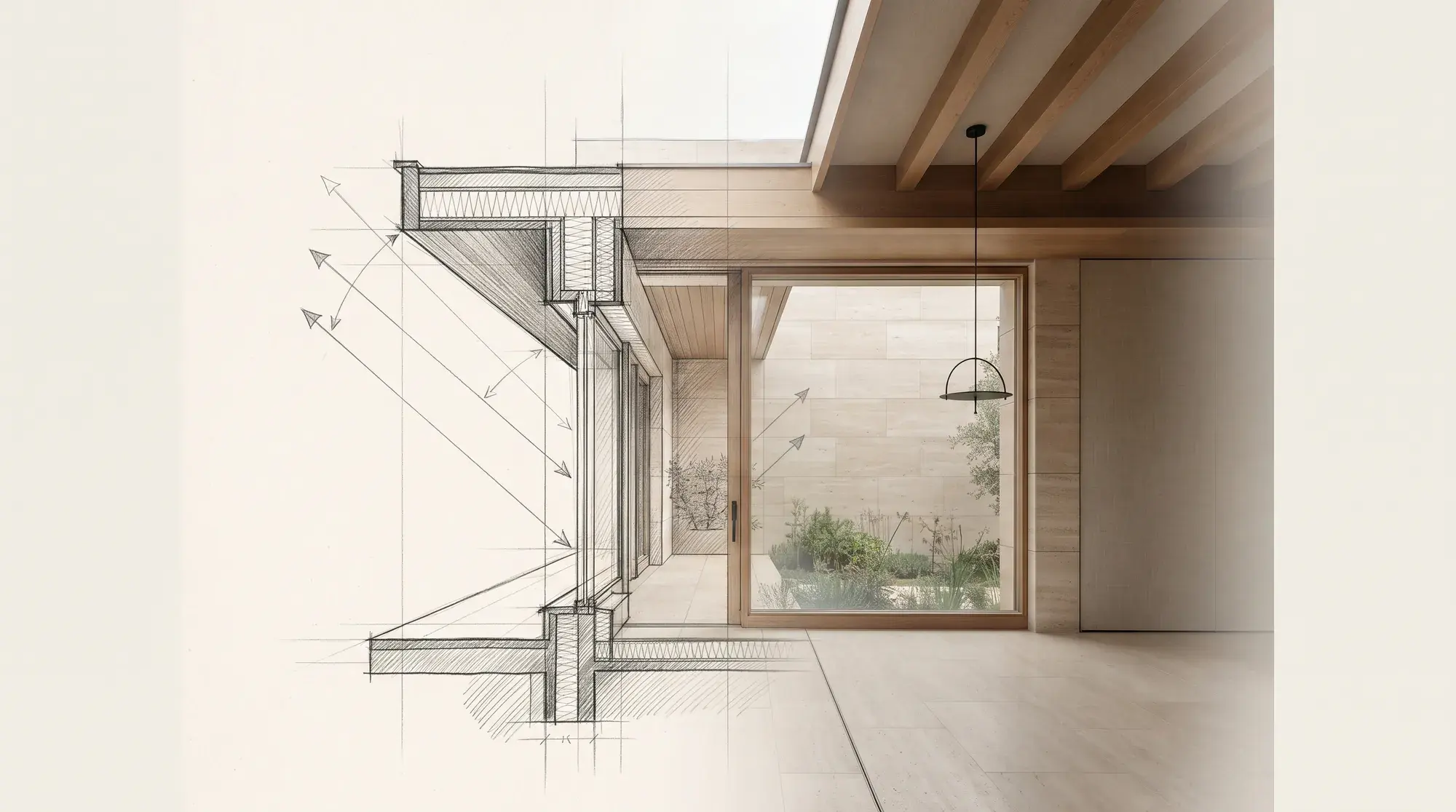
An energy-efficient home consists of an envelope (insulation and windows) that keeps heat inside in winter and outside in summer, an efficient heating and cooling system sized to need, and a plan that uses daylight well. In Türkiye, the energy performance of buildings is measured and certified with the Energy Performance Certificate (EKB), regulated under the Regulation on Energy Performance of Buildings.
What is the Energy Performance Certificate?
The EKB shows a building's annual energy demand, energy consumption class and greenhouse gas emissions. Under the regulation, the EKB is kept by the building owner or management and displayed where it can be seen at the entrance; when a building or unit is sold or let, the owner gives it to the buyer or tenant. The certificate is renewed when work is done that changes the building's energy demand (Official Gazette, 2008).
What changed in 2026?
The amendment published on 16 May 2026 made it clear that EKBs will be issued by authorised EKB experts. Buildings with an energy performance class of at least "C" and a greenhouse gas emissions class of at least "B" can receive a low-carbon building certificate. In addition, from 1 January 2027, buildings with a construction area of 10,000 m² or more will need a life-cycle analysis document together with the EKB at the occupancy permit stage (Official Gazette, 16 May 2026).
What determines a home's energy demand?
- Orientation: solar gain from the south side in winter, overheating on the west side in summer.
- Insulation: continuity of thermal insulation in the roof, external walls and ground floor; solving thermal bridges.
- Windows: insulated double or triple glazing, quality frames and correct installation.
- Shading: controlling summer sun with eaves, external blinds and trees.
- Systems: efficient heating and cooling sized to need (condensing boiler, heat pump, etc.).
- Lighting and appliances: LED lighting and efficient appliances.
What gains the most in a renovation?
The envelope comes first: roof insulation, renewing old windows and airtightness are usually the improvements felt most quickly. Renewing the heating and cooling system and lighting follow. According to the U.S. Department of Energy, residential LEDs use at least 75% less energy than incandescent bulbs and last up to 25 times longer (U.S. Department of Energy). We have gathered notes specific to renovating older villas in our Göktürk and Kemer Country article.
Energy efficiency and comfort
Energy efficiency does not just mean the bill. A home without cold wall surfaces, draughts and condensation at the windows is more comfortable and healthier. A good ventilation strategy is part of this comfort too: in a Harvard study, people working in well-ventilated offices had markedly higher cognitive test scores (Allen et al., 2016).
“The cheapest energy is the energy you never have to use.”
Conclusion
Energy efficiency is cheapest to achieve with the right decisions at the start of a project. We make orientation, envelope and system decisions together, with energy performance in mind, as part of our architecture service. This article is for general information; consult an authorised EKB expert about the EKB and regulatory conditions.
Frequently asked questions
Is the Energy Performance Certificate mandatory?
An EKB is issued for buildings within the scope of the regulation; when a building or unit is sold or let, the owner gives the EKB to the buyer or tenant. Consult an authorised EKB expert about your own building.
Who issues the EKB?
The 2026 amendment made it clear that EKBs are issued by authorised EKB experts. The certificate is prepared through the Ministry's BEP-TR system.
What is a low-carbon building certificate?
Introduced with the 16 May 2026 amendment, it can be given to buildings whose EKB shows an energy performance class of at least C and a greenhouse gas emissions class of at least B.
What should come first for energy efficiency in a renovation?
Usually the envelope: roof and facade insulation, renewing windows and airtightness. The heating and cooling system and lighting come next.
Sources
- Regulation on Energy Performance of Buildings, Official Gazette, 5 December 2008 (in Turkish)
- Amendment to the Regulation on Energy Performance of Buildings, Official Gazette 16 May 2026 (alomaliye.com, in Turkish)
- U.S. Department of Energy, LED Lighting
- Allen et al., Environmental Health Perspectives (2016)
From the Journal
All articles →- Architecture
· 3 min read
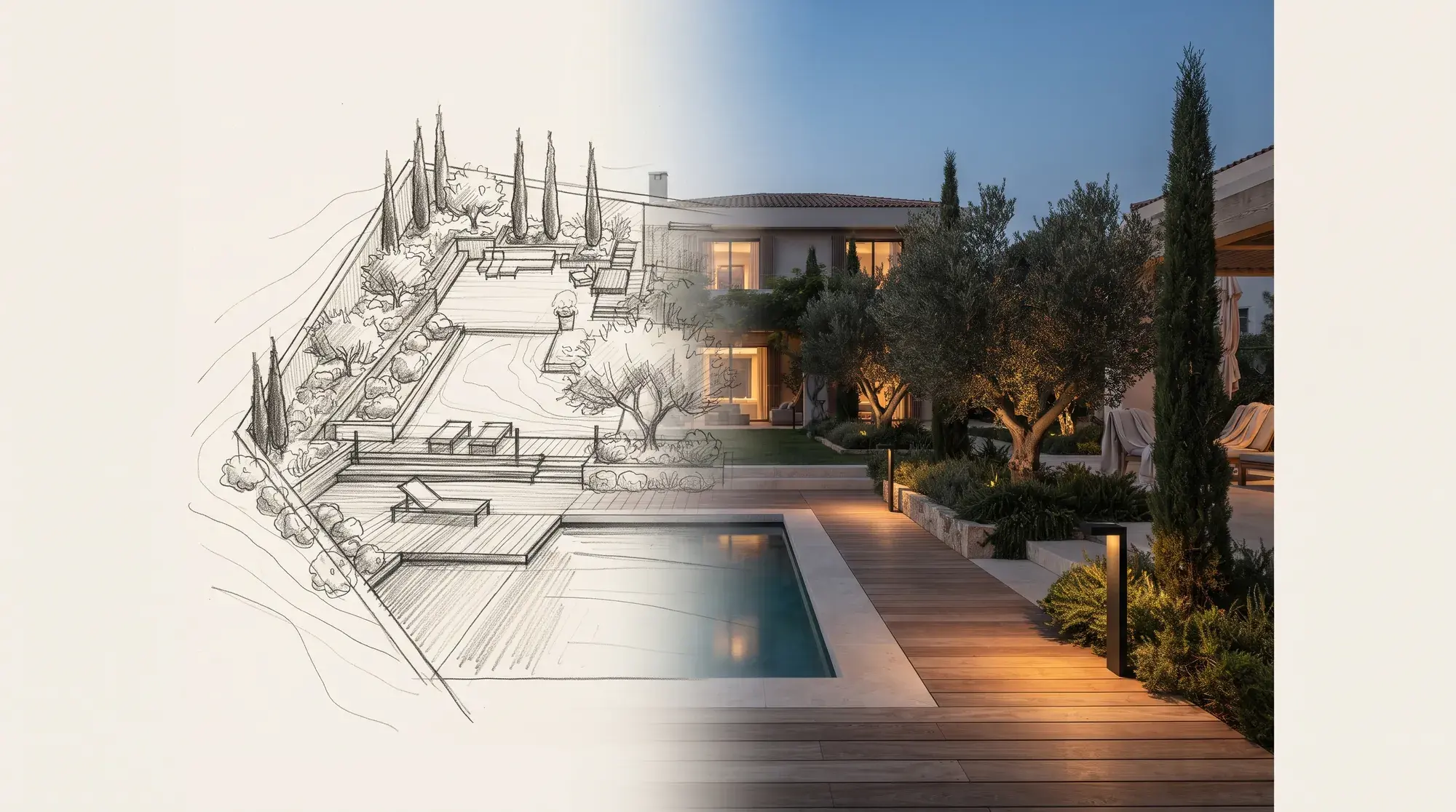
Garden and landscape design: making a villa's outdoor space part of the home
Terrace, decking, pool surround, planting, irrigation and night lighting: how to design the garden as a second layer of the home's architecture.
- Architecture
· 3 min read
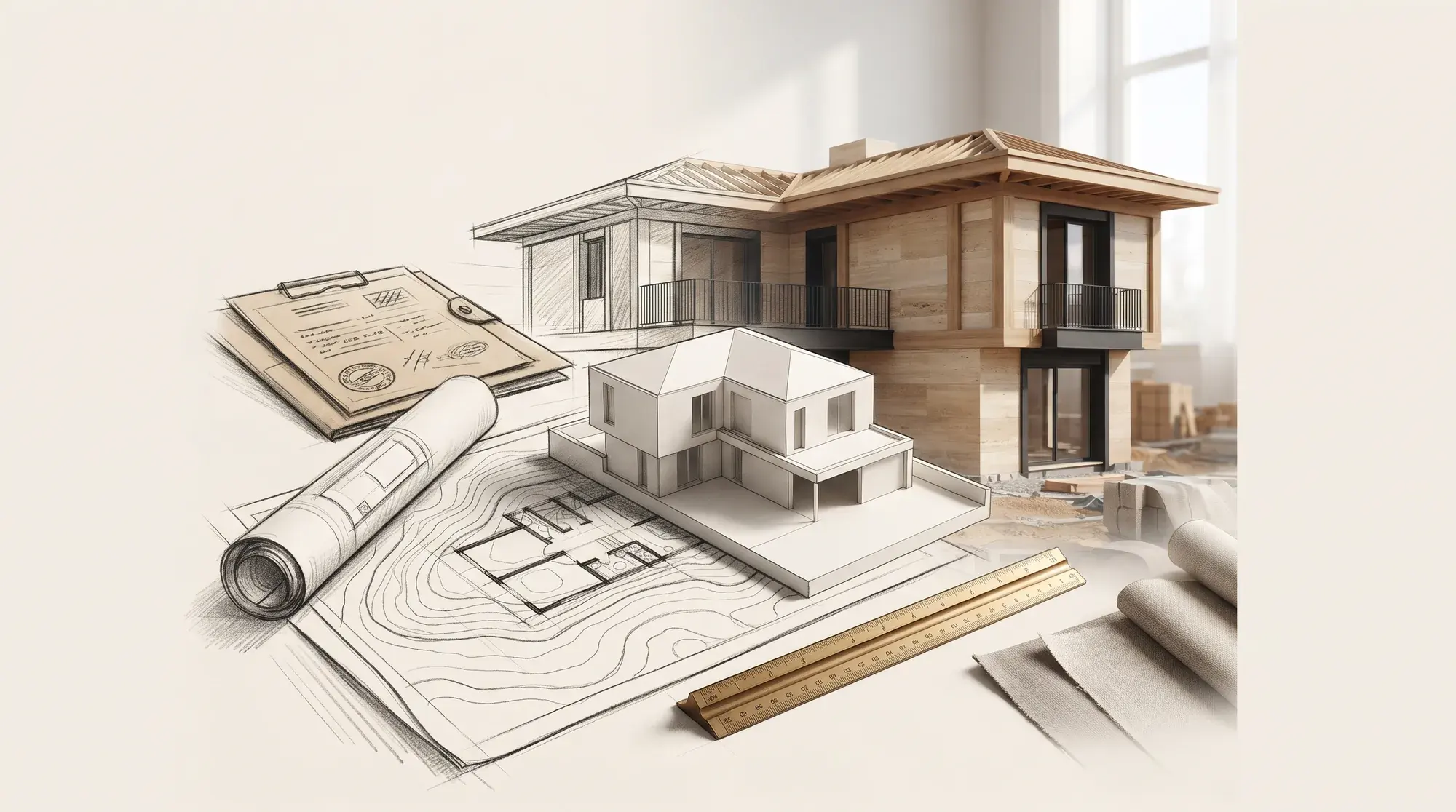
How to get a building permit in Türkiye: documents, process and occupancy permit
What to know before building a villa or detached house: the permit requirement under the Zoning Law, application documents, legal time limits, work that needs no permit, and the occupancy permit.
- Architecture
· 3 min read
Villa facade design: exterior cladding materials and how to choose
Stone, wood, render, composite and glass: material choice for a villa facade, its relationship with insulation, maintenance needs and the effect of climate.