Materials
Choosing flooring: solid wood, engineered wood, SPC, tiles and microcement
· 3 min read · SG Concept Architecture
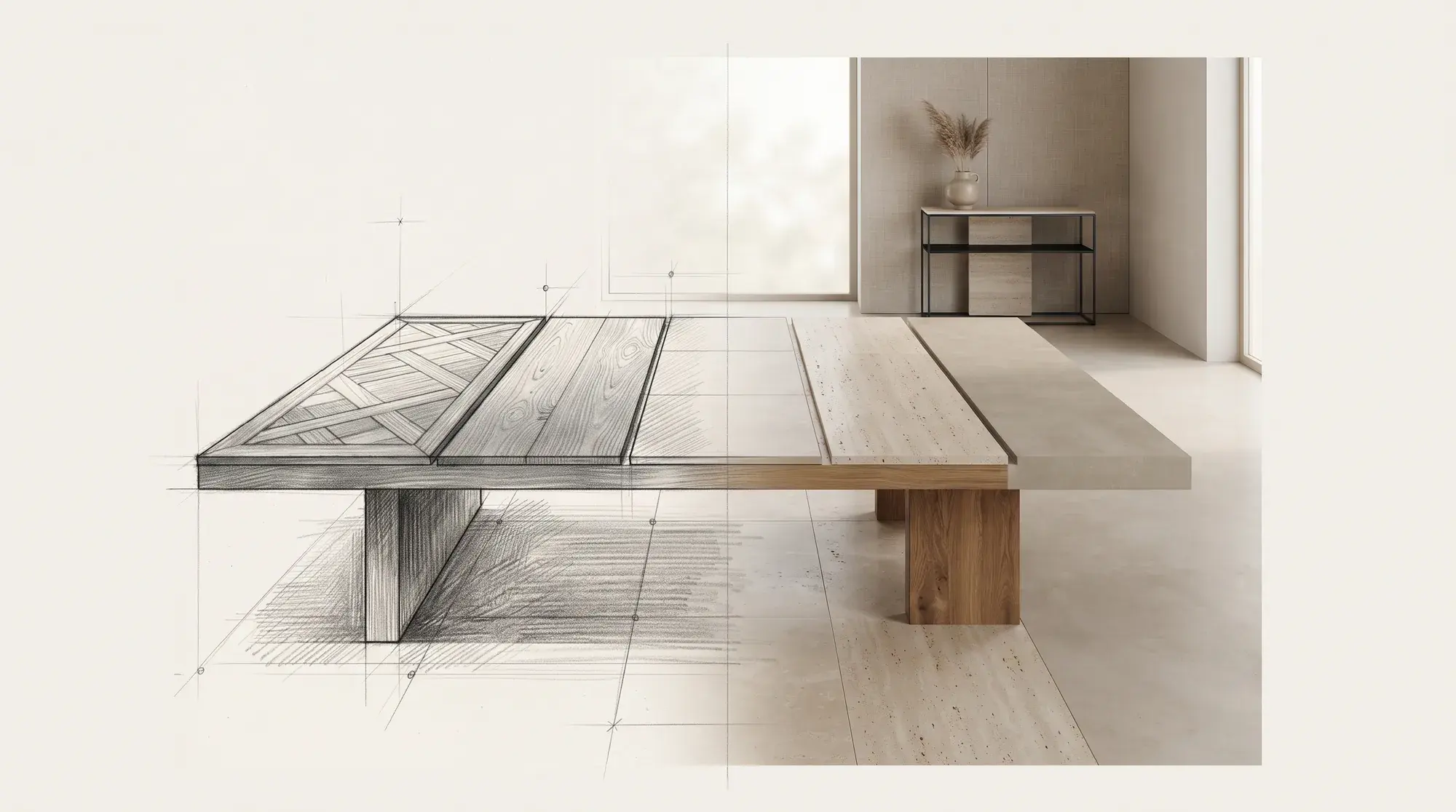
The right floor finish is chosen according to whether the room is wet, whether there is underfloor heating, how heavy the use is and the feeling you want in the space. Wood-based finishes bring warmth to living areas and bedrooms; in bathrooms, kitchens and entrances, tiles, natural stone or microcement that resist water and wear come first. Below we compare the most common options.
Solid wood flooring
Made from a single piece of wood. Because it can be sanded and refinished, it lasts a very long time and grows more beautiful with age. It is sensitive to moisture and temperature changes; with underfloor heating, check the manufacturer's suitability conditions.
Engineered (multi-layer) wood flooring
A real wood top layer over plywood or similar layers. More stable than solid wood and generally better suited to underfloor heating. The thicker the top layer, the more times it can be refinished.
Laminate flooring
A printed decor and protective layer over high-density fibreboard. Economical and scratch-resistant, but it is not real wood and is sensitive to water. Choose the wear class according to the intensity of use.
SPC and vinyl flooring
Stone-plastic composite (SPC) and vinyl floors are water-resistant and, thanks to their thin profiles, can be laid over existing floors. They give a wood or stone look, but differ from natural materials in feel underfoot and long-term appearance.
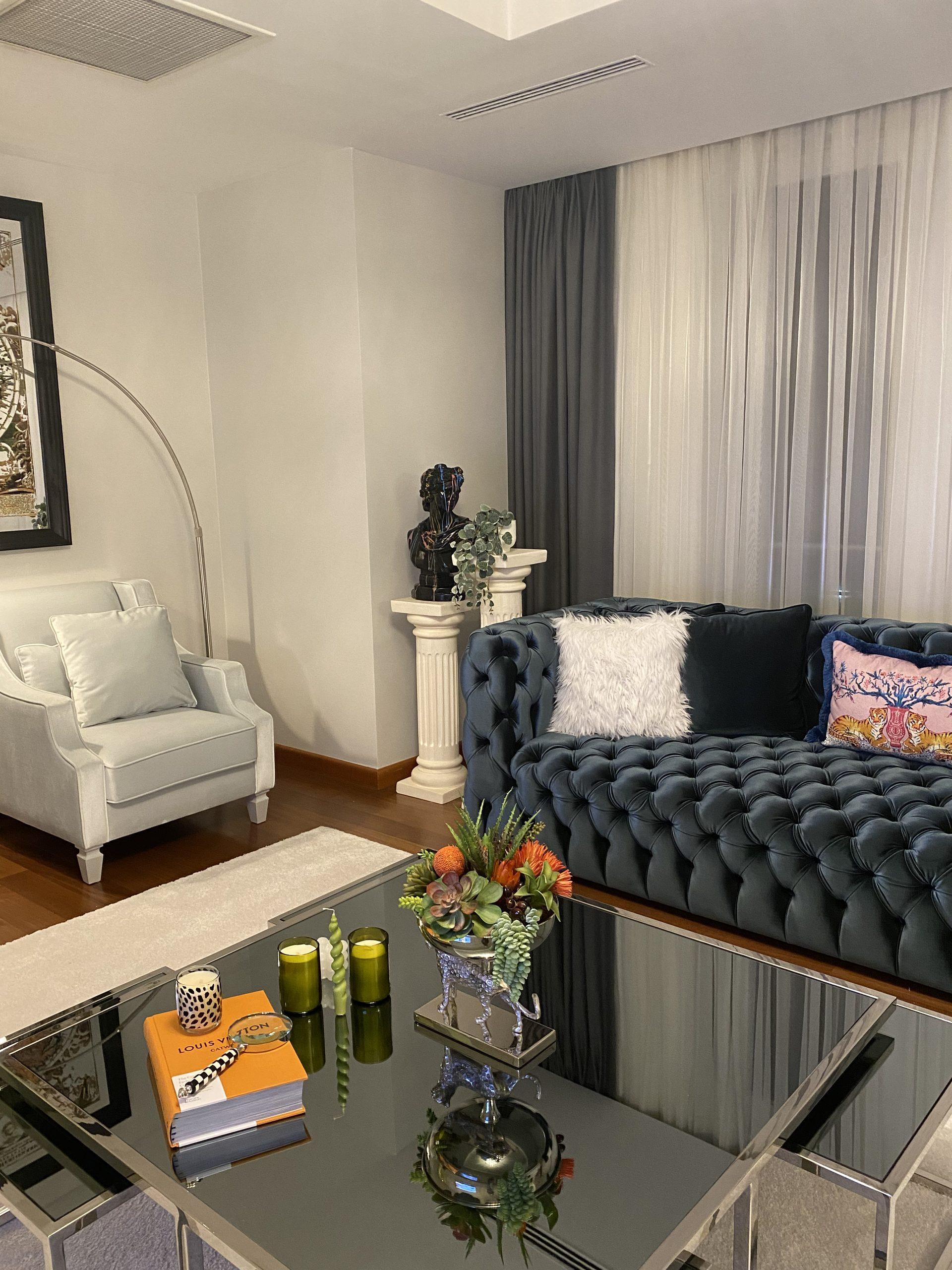
Ceramic and porcelain tiles
Among the most resistant options to water, stains and wear; they work well with underfloor heating. Large-format tiles reduce grout lines for a calmer look. Wood-look porcelain tiles are an alternative for those who want a wood feel in wet areas.
Natural stone and microcement
Travertine and marble are timeless and characterful but need sealing and the right cleaning (our natural stone guide). Microcement gives a seamless, one-piece surface (our microcement article).
Which floor for which room?
- Living room and bedroom: solid or engineered wood; laminate depending on budget.
- Kitchen: porcelain tiles, natural stone, microcement or water-resistant SPC.
- Bathroom: porcelain tiles, natural stone or microcement (always with waterproofing underneath).
- Entrance and corridor: wear-resistant porcelain tiles or stone.
- Children's room: a warm, soft wood-based floor with an easy-to-clean rug on top.
Sound and neighbours
In apartment buildings, footstep noise reaches the neighbour below. A good acoustic underlay for floating wood and laminate floors, and insulation under the screed for tiles and stone, reduce sound transfer. The building's management plan may have rules on changing floors; check in advance.
“The floor is the surface you touch most in a home; choose it with your feet, not just your eyes.”
Conclusion
There is no single right floor; there is a floor that suits each room's use and the language of the whole home. Do not decide without seeing samples in daylight and evening light. We are with you in choosing materials through our interior design and consultancy services.
Frequently asked questions
Is wood flooring or laminate better?
Wood flooring stands out for a real wood feel and long life; laminate for an economical, scratch-resistant solution. Laminate is more sensitive to water than wood.
Which floor works with underfloor heating?
Ceramic, porcelain tiles, natural stone and microcement conduct heat well. In wood, engineered flooring is usually more suitable; always check the manufacturer's underfloor heating approval.
Can SPC flooring be used in a bathroom?
SPC is water-resistant and some products can be used in wet areas. Still, in zones that are constantly wet, such as inside the shower, tiles, stone or microcement are safer.
From the Journal
All articles →- Materials

· 3 min read
What is microcement? Pros, cons and where to use it
Microcement is the material behind seamless floors and one-piece bathrooms. How it is applied, where it works and what to watch out for.
- Materials
· 3 min read
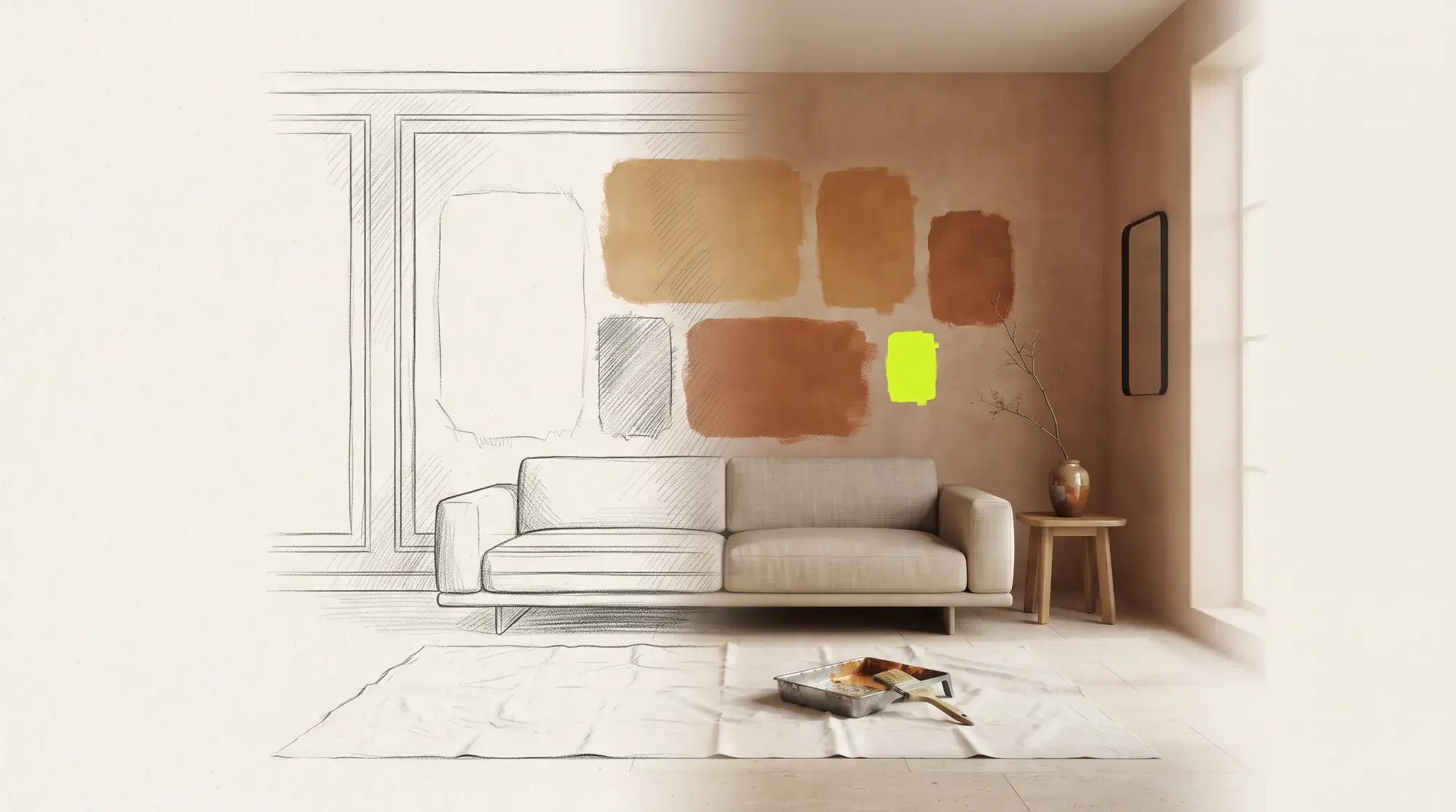
How to choose a wall colour: an interior paint guide
Light, orientation, materials and use: how to choose the right wall colour, sheen levels, low-VOC paints and why testing matters.
- Materials
· 2 min read
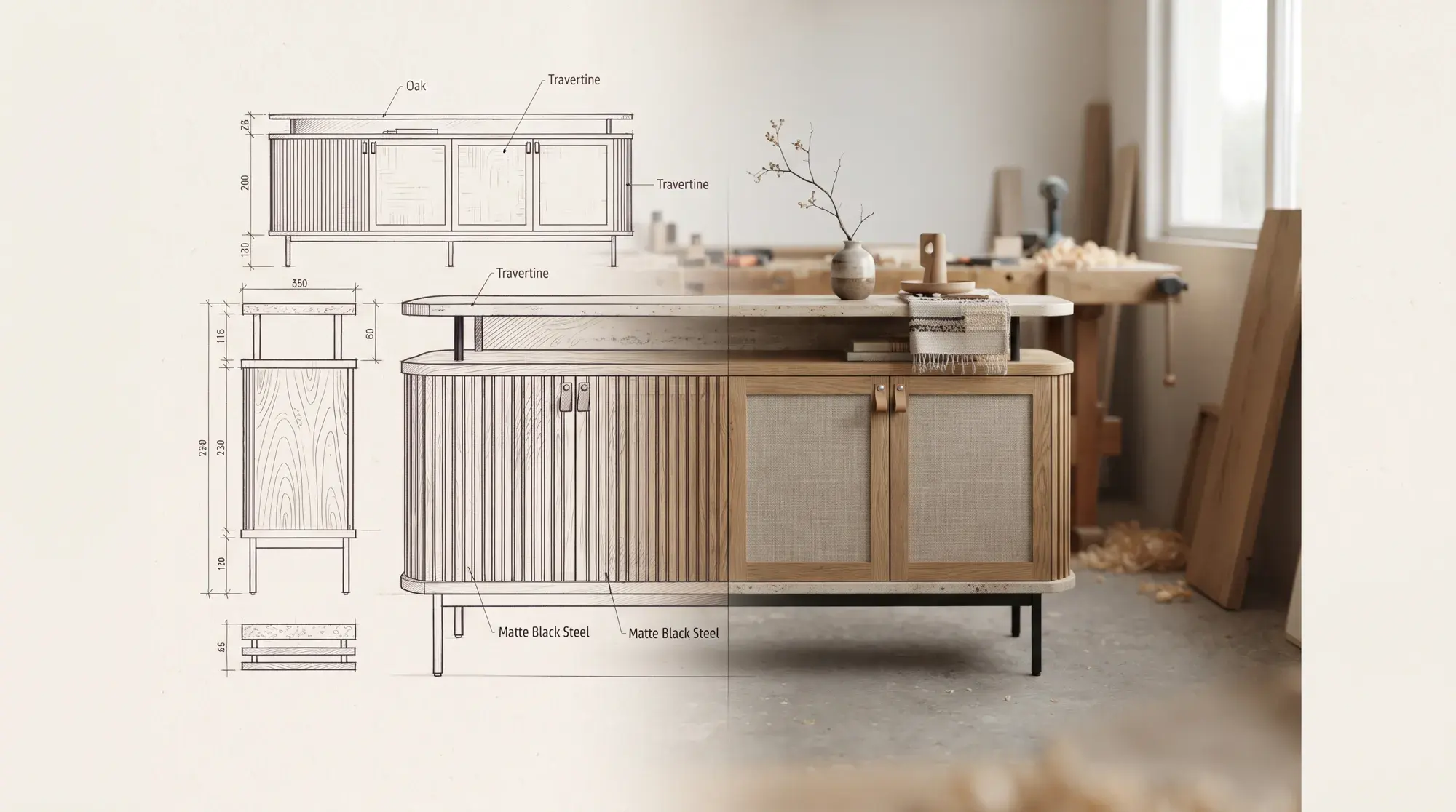
Custom furniture or ready-made? A guide to help you decide
When made-to-measure furniture makes sense, where ready-made is enough, and how the custom production process works.