Materials
What is microcement? Pros, cons and where to use it
· 3 min read · SG Concept Architecture
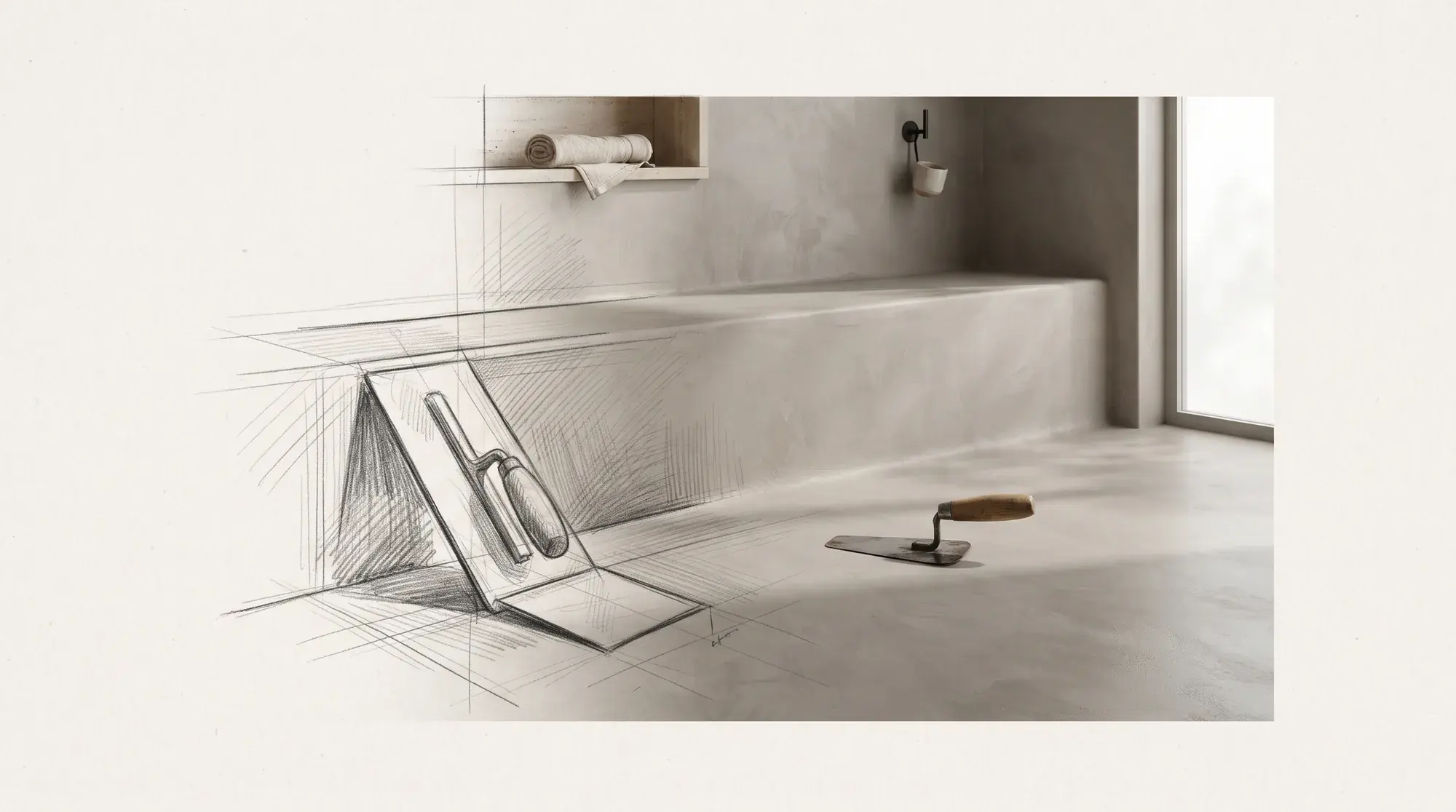
Microcement is a finish made from a mix of cement, polymer resin and fine aggregate, applied by hand in layers a few millimetres thick. Because it leaves no joints, it gives floors, walls and wet areas a calm, one-piece surface. Since it is so thin, it can often be applied over existing tiles without demolition.
How is microcement applied?
- Substrate preparation: the surface must be sound, clean and level; cracks and voids are repaired.
- Primer and reinforcing mesh: reduce the risk of cracking, especially over old tiles.
- Base coats: the surface is built up with coarser microcement.
- Finish coats: fine-grained material gives the desired texture and tone.
- Protective sealer: protects the surface against water, stains and wear; critical in wet areas.
What are the advantages of microcement?
- A seamless, continuous look: the same surface can run from floor to wall, from shower to worktop.
- Thin layer: in most cases no demolition is needed, and door and threshold levels are barely affected.
- Design freedom: colour, texture and sheen can be set for the project.
- Easy cleaning: with no grout, there are fewer lines to hold dirt.
Disadvantages and things to watch
- Dependence on the applicator: as handwork, the same material gives very different results with two different craftsmen.
- Hairline crack risk: fine cracks can form if the substrate moves or preparation is weak.
- Sealer maintenance: the protective layer may need renewing over time, depending on use.
- Chemical sensitivity: acidic and abrasive cleaners can damage the surface; follow the manufacturer's care advice.
Can microcement be used in a bathroom?
Yes, with the right system. In a wet area there must always be waterproofing under the microcement, and the surface must be protected with a sealer suited to wet areas. A lightly textured, non-slip finish should be chosen for the shower area. We explain the right order of a bathroom renovation in our bathroom guide.
A real example: CB House
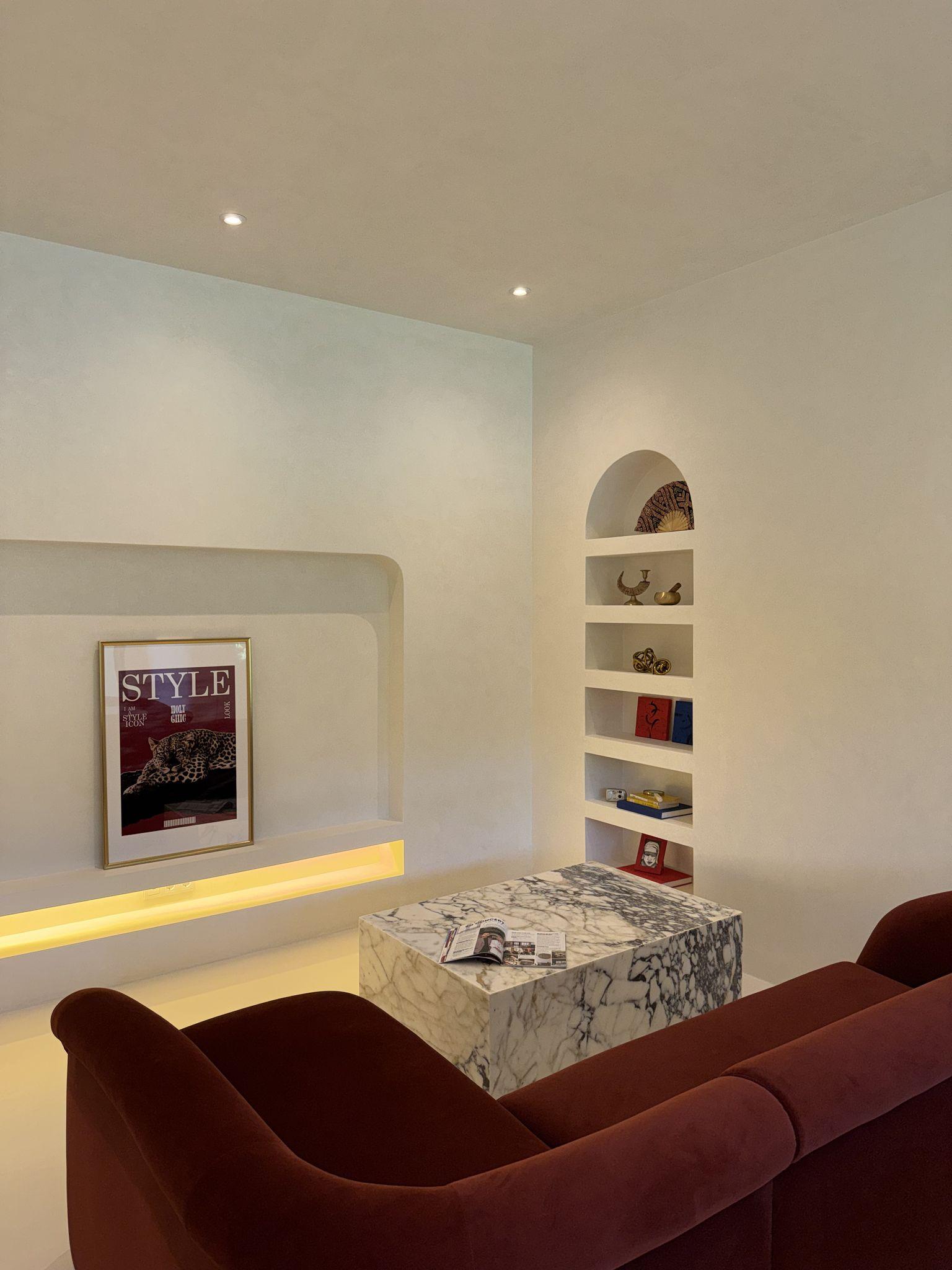
In our CB House project at Privé Kemer in Göktürk, we used microcement on floors and in wet areas, and Italian paint on walls and ceilings. Without skirting boards, door frames, parquet or tiles, we achieved continuous surfaces throughout. This approach shows where microcement is strongest: reducing detail and increasing unity.
“Microcement is not a finish but an idea of surface: no joints, no breaks.”
Microcement or tiles?
Tiles are a standard, predictable product; microcement is a more bespoke surface based on handwork. Budget, intensity of use and the desired look should be weighed together. We set the options side by side in our flooring comparison.
Conclusion
With proper substrate preparation and an experienced applicator, microcement is one of the strongest tools for a simple, timeless interior. To consider the material together with the rest of your project, see our interior design service.
Frequently asked questions
Can microcement be applied over tiles?
In most cases yes. If the tiles are sound and not loose, it can be applied over them with a suitable primer and reinforcing mesh. Lifting or hollow tiles must be removed first.
Does microcement crack?
Hairline cracks can form if the substrate moves or preparation is weak. The right primer, mesh and application reduce this risk considerably.
Is microcement slippery?
It depends on the finish. Glossy finishes can be slippery when wet; textured or non-slip sealed finishes are preferred in bathrooms and showers.
How is microcement cleaned?
With pH-neutral, non-abrasive cleaners. Acidic limescale removers and abrasive powders can damage the sealer layer.
From the Journal
All articles →- Materials
· 3 min read
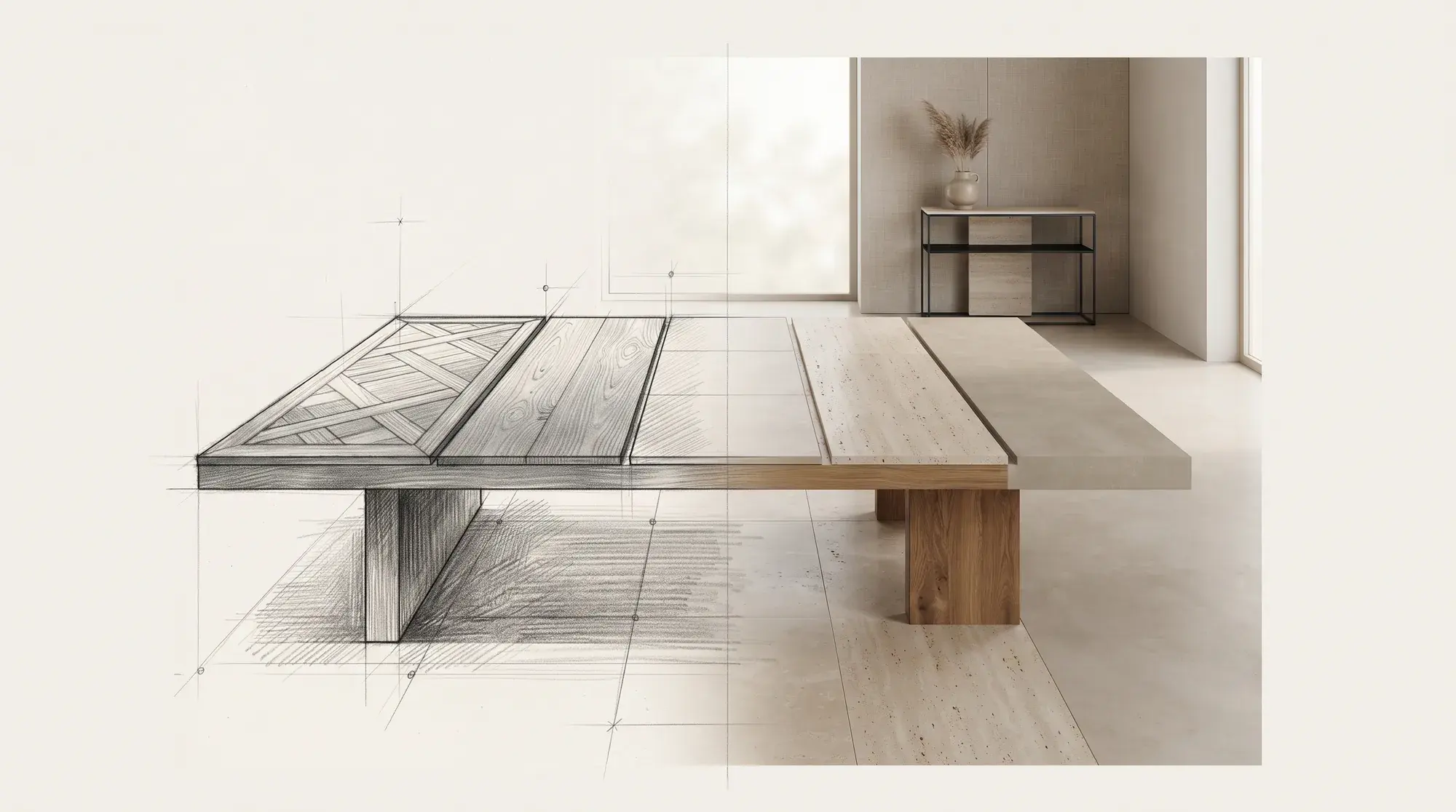
Choosing flooring: solid wood, engineered wood, SPC, tiles and microcement
Which floor suits which room? We compare floor finishes for durability, water resistance, sound, underfloor heating and look.
- Materials
· 3 min read
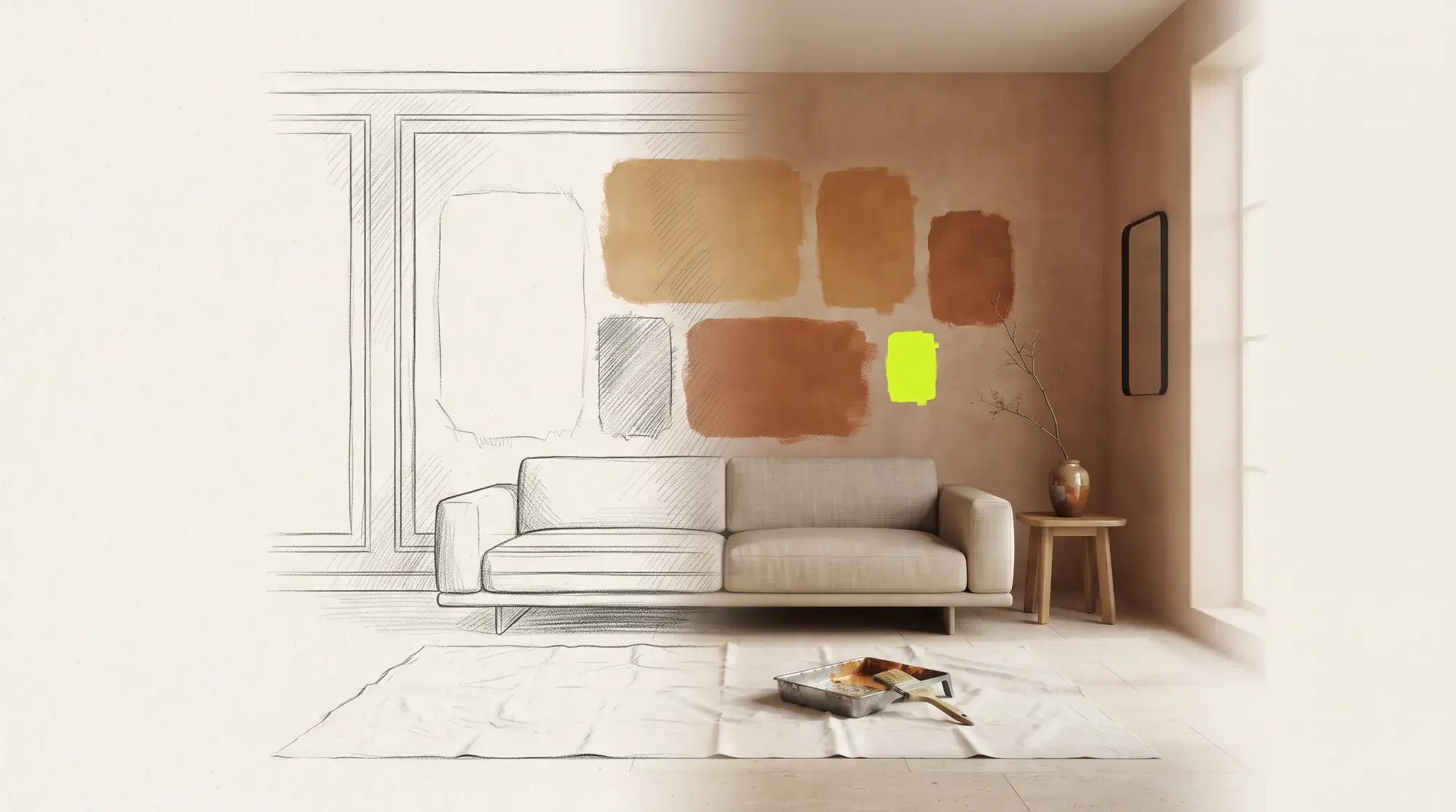
How to choose a wall colour: an interior paint guide
Light, orientation, materials and use: how to choose the right wall colour, sheen levels, low-VOC paints and why testing matters.
- Materials

· 2 min read
Custom furniture or ready-made? A guide to help you decide
When made-to-measure furniture makes sense, where ready-made is enough, and how the custom production process works.