Materials
How to choose a wall colour: an interior paint guide
· 3 min read · SG Concept Architecture
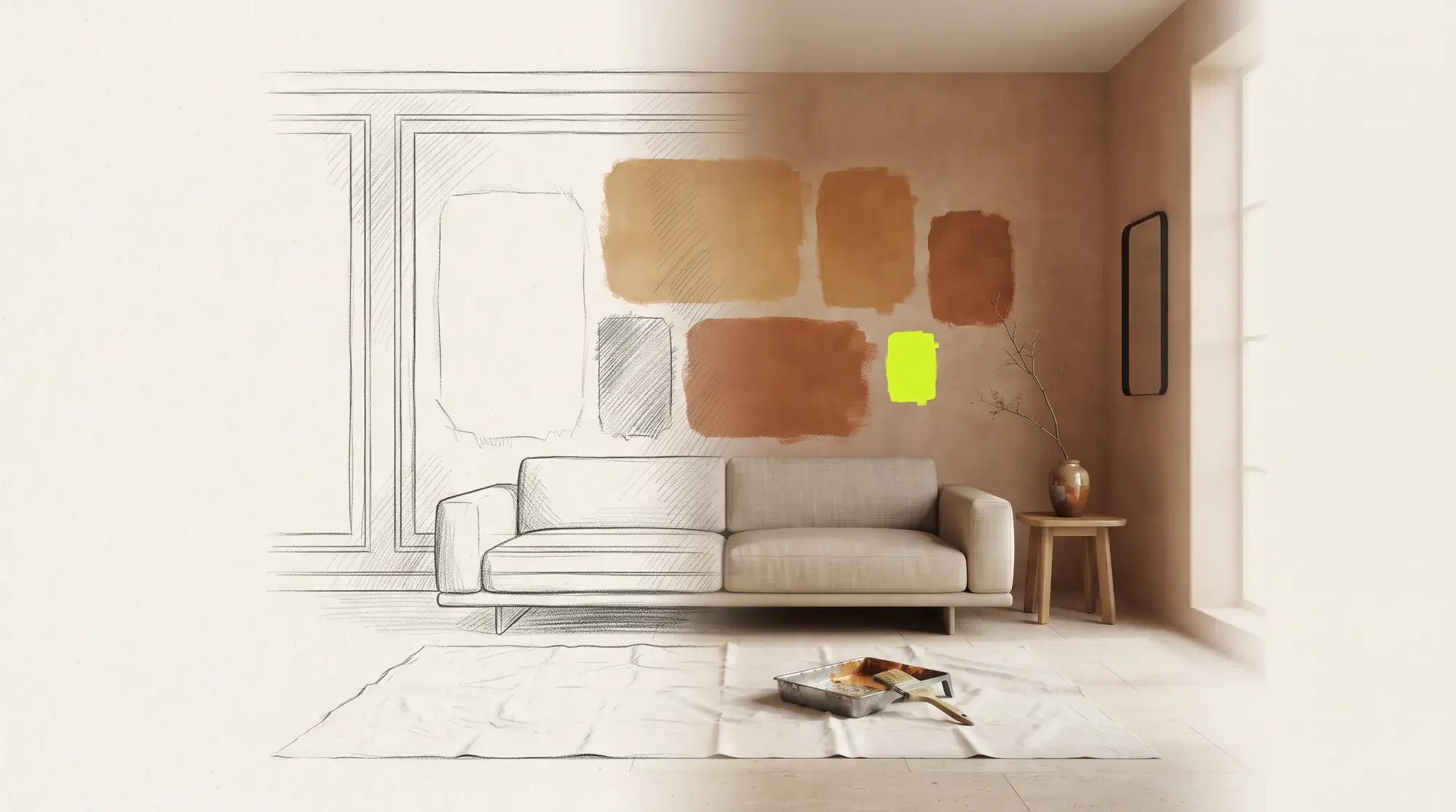
The right wall colour is chosen by considering together the direction and amount of daylight a room receives, its floor and furniture materials, how the room is used and the colour temperature of its artificial lighting. The same colour code can look cold and grey in a north-facing room and warm and bright in a south-facing one. That is why colour is chosen on the wall, not in the catalogue.
How do light and orientation change colour?
- North-facing: indirect, cool light all day. Colours with warm undertones (sand, cream, earth) balance the room.
- South-facing: plenty of warm light. Both cool and warm tones work well; very saturated colours can be tiring at midday.
- East-facing: bright in the morning, cool in the evening.
- West-facing: warm, orange-tinged light in the afternoon.
How do you build a colour palette?
A practical method: a calm main colour for large surfaces, a secondary tone for cabinets, doors or a single wall, and an accent colour in small doses. Materials that are hard to change, such as flooring, stone and wood, are chosen first; the wall colour is set to suit them. We describe an example of a warm material palette in our burgundy, brass and travertine article.
Sheen: flat, matt, satin
- Flat matt: hides imperfections and gives a deep, velvety look; low washability. Suitable for ceilings and bedrooms.
- Matt (eggshell): a slight sheen, better washability. A balanced option for living rooms and corridors.
- Satin and semi-gloss: resistant to moisture and wear; used in kitchens, bathrooms, and on doors and joinery.
Health: low-VOC paint
According to the EPA, indoor levels of some volatile organic compounds (VOCs) average 2 to 5 times higher than outdoors, and during and right after activities such as paint stripping these levels can rise much further (U.S. EPA). Choosing low-VOC, water-based paints and ventilating the home well after painting matters especially for children's rooms and bedrooms.
Do not decide without testing
Small colour cards mislead. Paint a test patch at least the size of an A3 sheet on the wall, in two coats if possible, and look at it in the morning, at noon, in the evening and under artificial light. The colour temperature of evening light directly changes how a colour is perceived, so consider it together with your lighting decisions (our lighting guide).
Textured paints and special finishes
Textured finishes such as Italian paint, lime paint and decorative plaster add depth and a sense of handwork to a single colour. In our CB House project we used Italian paint on the walls and ceilings to create a seamless surface language with the microcement floors.
“Colour is a property of light, not of the wall; do not choose a colour without seeing the light.”
Conclusion
Wall colour is the easiest decision in a space to change, yet the one felt most. When light, materials and use are considered together, the right colour reveals itself. We are here to help with colour and material decisions through our consultancy service.
Frequently asked questions
What is the best wall colour for a living room?
There is no single right answer. Sand and cream tones with warm undertones work in north-facing living rooms; south-facing ones suit a wider range. Decide according to the floor and furniture materials, and test on the wall.
Flat matt or eggshell?
Flat matt paint hides imperfections but has low washability; it suits ceilings and bedrooms. Eggshell is easier to clean and a balanced option for living rooms and corridors.
When can you move back in after painting?
It depends on the type of paint and ventilation. Choose low-VOC, water-based paints, ventilate the home well during and after painting, and follow the manufacturer's recommendations.
From the Journal
All articles →- Materials
· 3 min read
What is microcement? Pros, cons and where to use it
Microcement is the material behind seamless floors and one-piece bathrooms. How it is applied, where it works and what to watch out for.
- Materials
· 3 min read
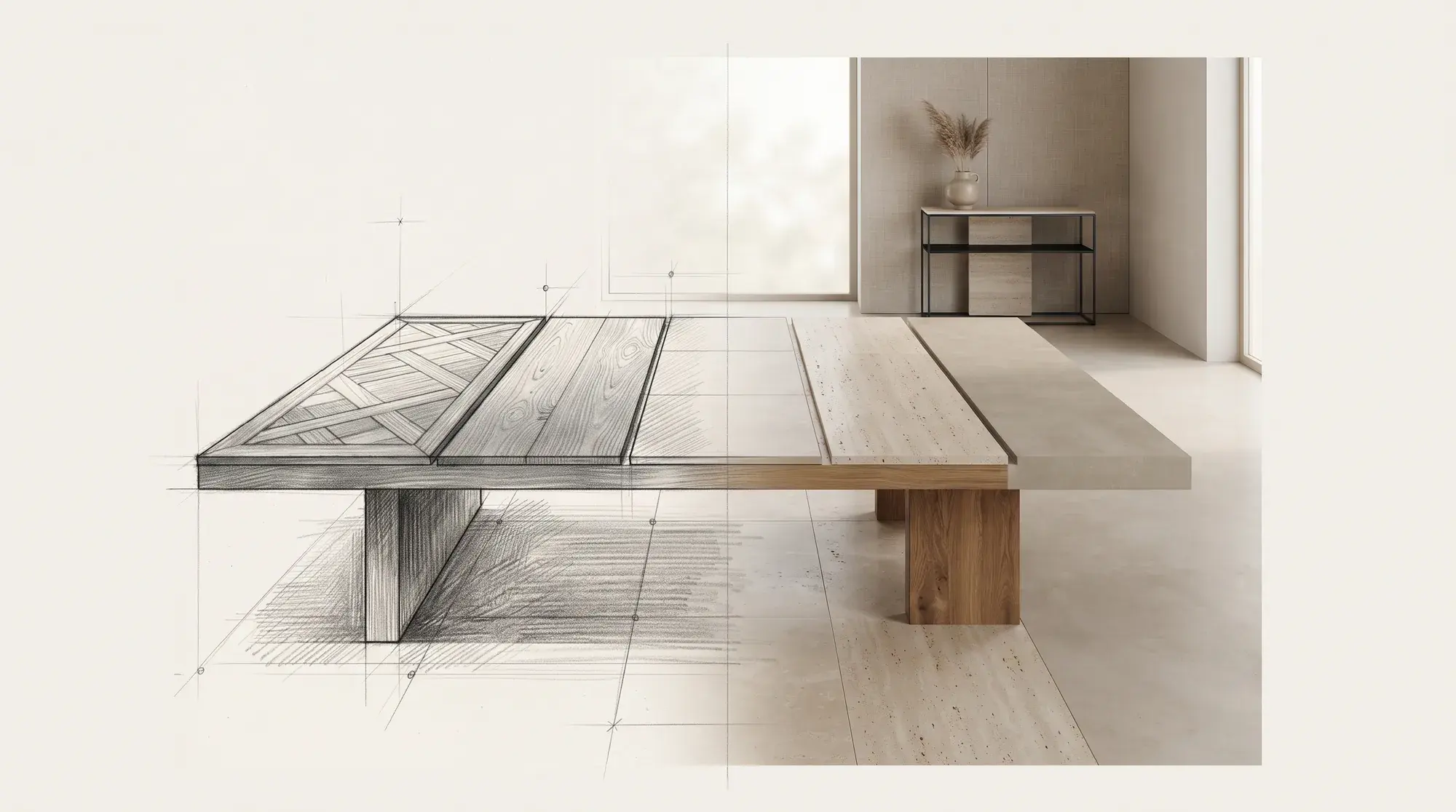
Choosing flooring: solid wood, engineered wood, SPC, tiles and microcement
Which floor suits which room? We compare floor finishes for durability, water resistance, sound, underfloor heating and look.
- Materials
· 2 min read
Custom furniture or ready-made? A guide to help you decide
When made-to-measure furniture makes sense, where ready-made is enough, and how the custom production process works.