Trends
What is Japandi style, and how do you apply it to an interior?
· 2 min read · SG Concept Architecture
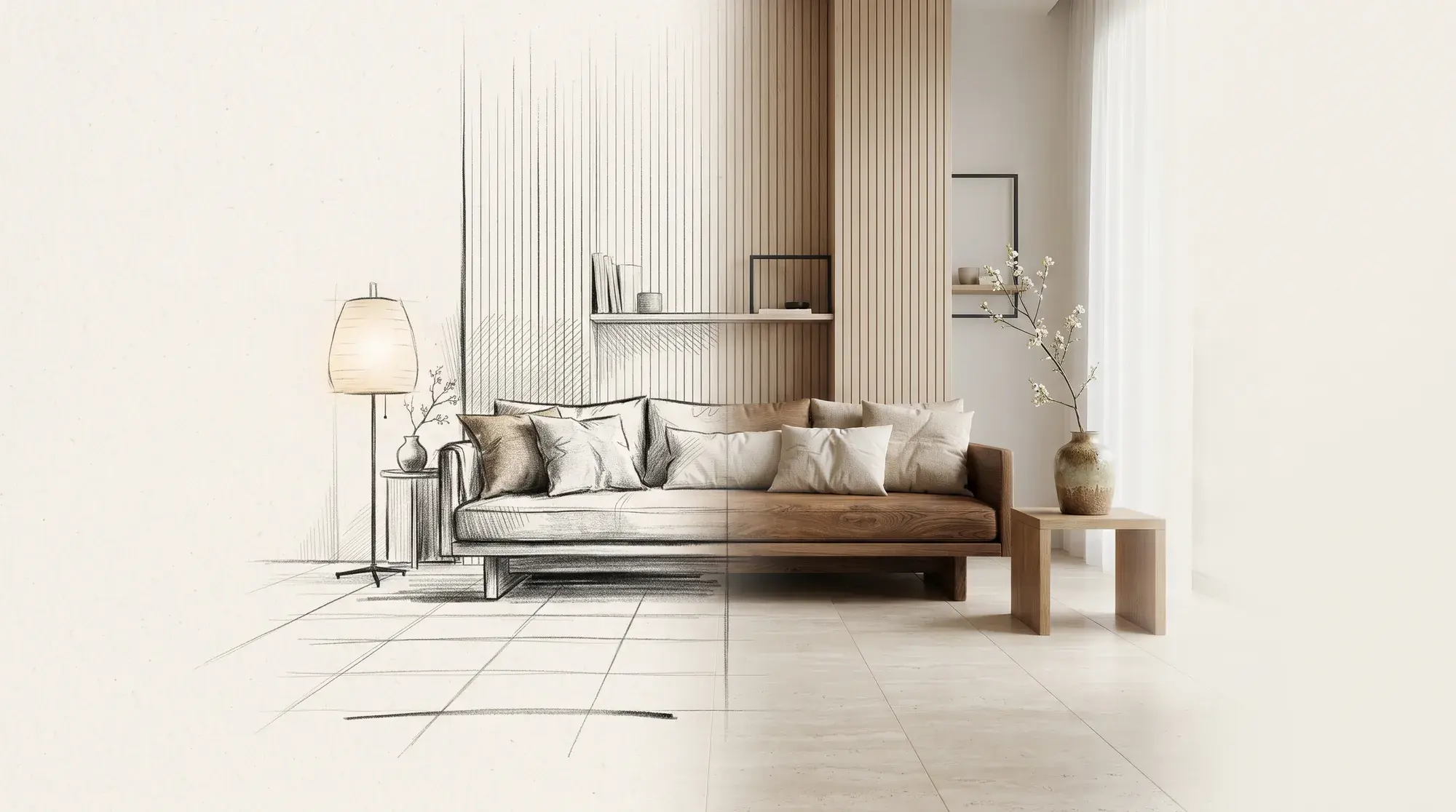
Japandi is an interior approach that combines the simplicity of Japanese design and its respect for nature and craft with the warmth and functionality of Scandinavian design. Natural materials, a calm, earthy palette, low and simple furniture, and few but carefully chosen objects are its foundation. More than a fashionable look, it is a way of life aimed at living calmly and in order.
The core principles of Japandi
- Less: every object has a function and a place.
- Naturalness: wood, linen, cotton, stone, paper, ceramics.
- Craft: handwork, the beauty of imperfection, materials that improve with age.
- Light and shadow: soft, diffuse daylight; warm-toned artificial light.
- Balance: a calm balance between light and dark, hard and soft, full and empty.
Colour palette
Off-white, sand, beige, clay and earth tones form the base; deep tones such as charcoal, dark walnut or olive green give contrast in small doses. Saturated, bright colours are generally not used. We explain how to build a palette in our wall colour guide.
Materials and furniture
Light oak, ash or dark walnut; linen curtains and upholstery; handmade ceramics; paper or fabric lampshades. Furniture is usually low, simple in line and solid-looking; pieces with slender legs and clean forms make the space look light. For combining wood and stone, see our natural stone guide.
No Japandi without storage
Living with fewer things does not mean things disappear; it means they become invisible. Floor-to-ceiling built-in cabinets, handleless doors and niches that merge with the wall are the infrastructure of this calm. That is why Japandi is often built with made-to-measure furniture.
Common mistakes
- Making everything beige and forgetting texture: Japandi is not one colour but many textures.
- Imitating the style with accessories: a few bamboo objects do not make Japandi.
- Cold, white light: it kills the style's warmth; choose 2700-3000 K.
- Not planning storage: a calm home in the first week, a cluttered one in the second.
“Japandi is the design of empty space, not of things.”
Conclusion
Japandi is a strong approach for anyone who wants a calm home amid Istanbul's busy pace. It is achieved with a design that considers materials, light and storage together. If you would like a concept and 3D study for your home, see our concept design and 3D service. We describe a different take on a similar simplicity in our quiet luxury article.
Frequently asked questions
What is the difference between Japandi and minimalism?
Minimalism puts less first and can sometimes look cold. Japandi softens less with natural materials, texture and warm light, giving a warmer, more lived-in feeling.
Which colours make up Japandi?
Off-white, sand, beige, clay and earth tones are the main palette; charcoal, dark walnut and olive green are used in small doses for contrast.
Can Japandi work in a small home?
Very well. Few things, light tones and built-in storage make a small home feel more spacious.
From the Journal
All articles →- Trends
· 2 min read
Smart home systems: how to plan them in a renovation or new build
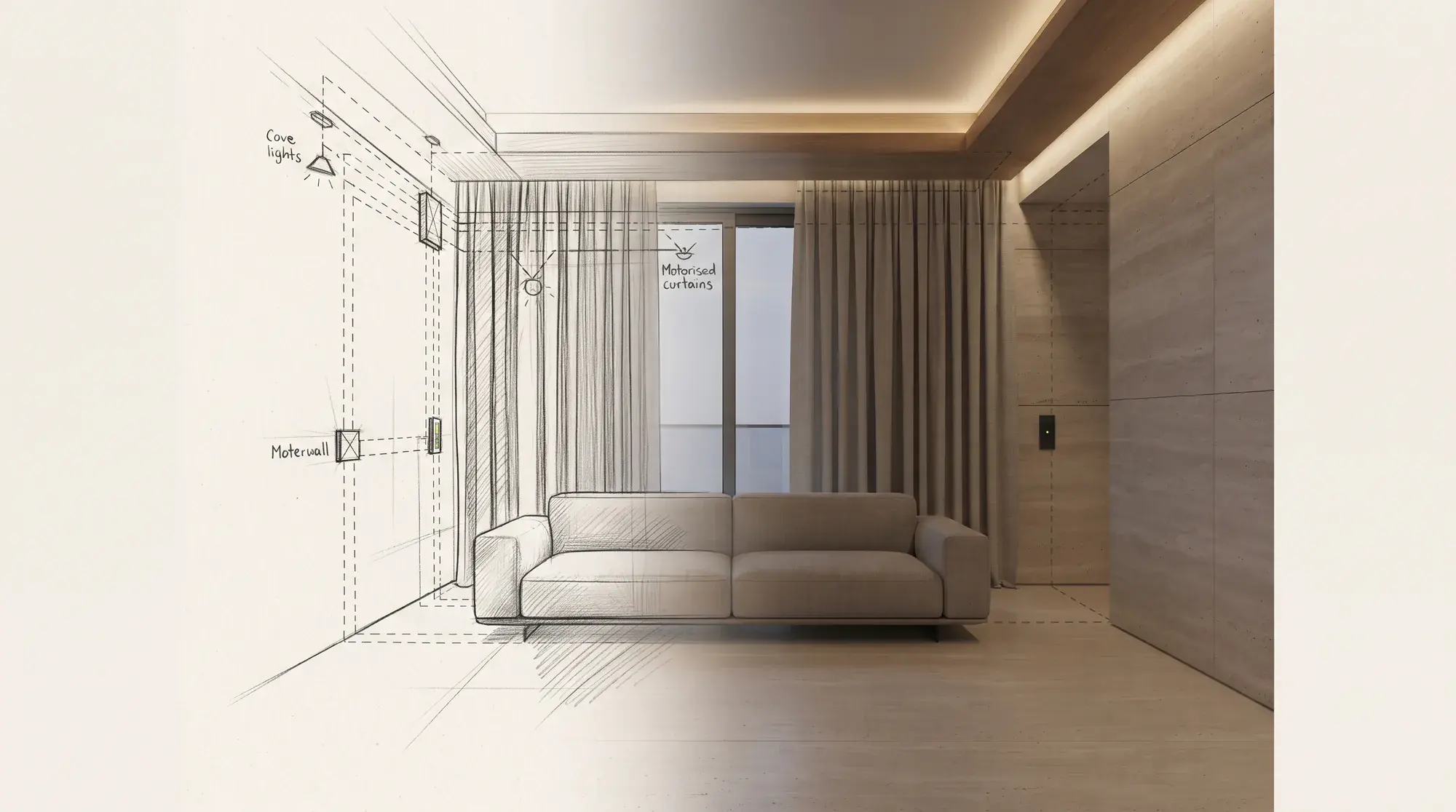
Lighting scenes, motorised curtains, climate control, security and audio: treating the smart home not as devices added later but as infrastructure built in from the start.
- Trends
· 2 min read
Quiet luxury: what it means in interior design
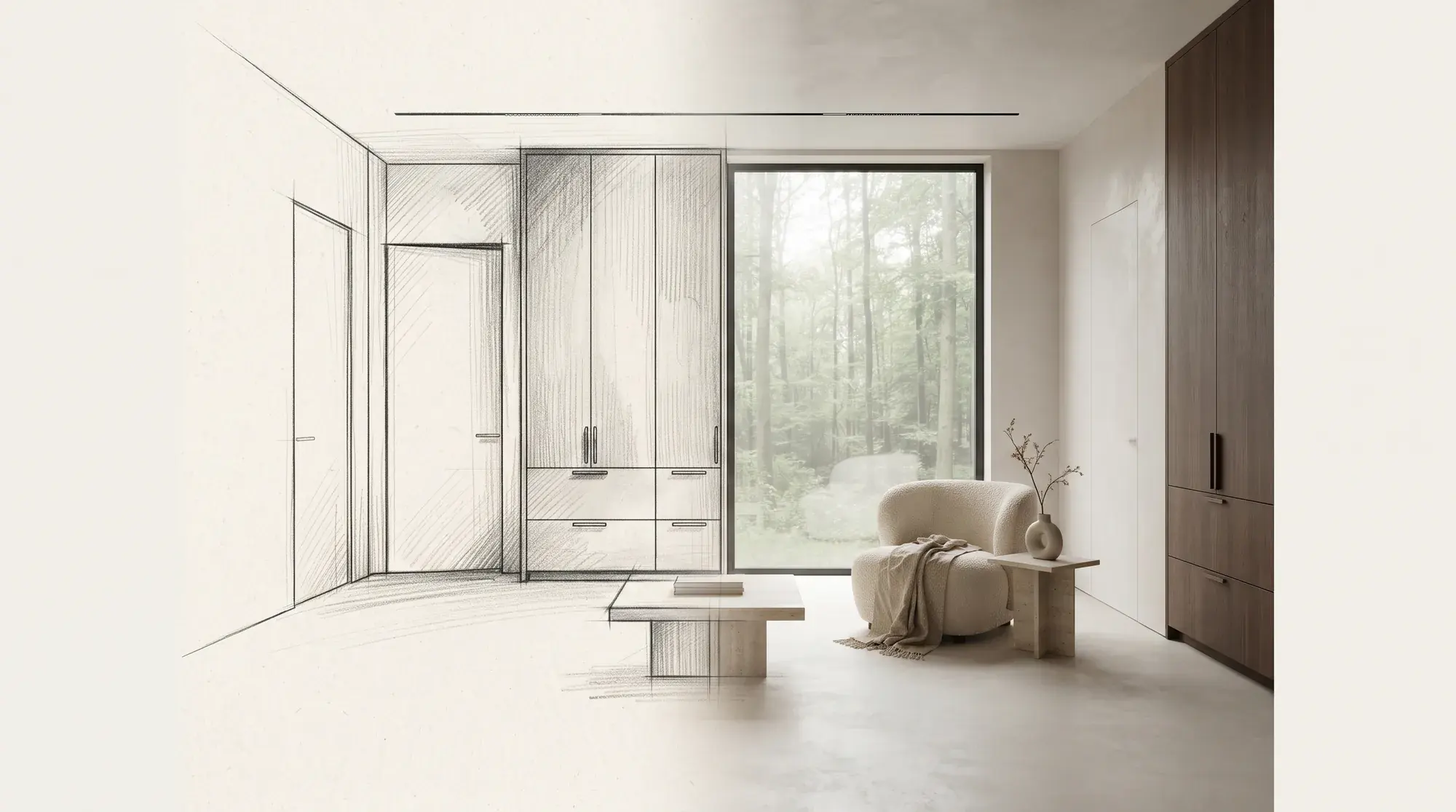
Spaces without logos or show, but with flawless detail. The material, colour and detail language of quiet luxury, with examples from our CB House project.
- Trends
· 2 min read
Interior design trends 2026: warm colours, local materials and craftsmanship
Cold minimalism is giving way to characterful, warm and personal spaces. The leading interior design trends of 2026 and how to adapt them to your home.